MOUNT KILIMANJARO · NORTHERN CIRCUIT ROUTE
Northern Circuit Route
The Northern Circuit Route approaches Mount Kilimanjaro from the west before travelling across the mountain’s quieter northern slopes. Instead of heading directly towards the summit along the more familiar southern approaches, this route takes a longer journey around Kibo, revealing a different perspective of Africa’s highest mountain.
- Duration: 8 or 9 days
- Accommodation: Tented mountain camps
- Difficulty: Challenging
ROUTE GLANCE
Northern Circuit Route at a Glance
With expansive mountain scenery, remote trail sections and longer itinerary options, the Northern Circuit is worth considering if you want to spend more time on the mountain rather than choose your climb by the shortest duration alone.
KEY HIGHLIGHTS
- Starting point: Londorossi Gate / Lemosho trailhead, depending on the operator
- Trekking duration: Commonly 8 or 9 days
- Accommodation: Tents at designated mountain camps
- Difficulty: Challenging, with steep sections, long trekking days and a demanding summit
- Major route landmarks: Shira Plateau, Moir area, Buffalo Camp, Third Cave and School Hut area
DECISION TIME
Is the Northern Circuit Route Right for You?
The Northern Circuit is particularly appealing to travellers who want to explore more of Kilimanjaro rather than follow a shorter, more direct approach. Its extended journey around the northern slopes is a major part of the experience.
You may enjoy this route if you
- Want to spend more days exploring Kilimanjaro's changing landscapes.
- Prefer quieter trail sections where fewer climbers may be passing.
- Value the opportunity to take a longer itinerary with time to acclimatise.
- Enjoy wide mountain views and a sense of remoteness.
- Can dedicate enough time and budget to a longer climb.
- Are prepared for camping, cold nights, long walking days and high altitude
Consider the trade-offs before booking
- It takes longer. The Northern Circuit requires a greater time commitment than shorter itineraries. Allow for the climb itself as well as arrival, preparation and departure days.
- It is not an easy route. A longer schedule may help with acclimatisation, but the distance, elevation and summit attempt remain physically demanding.
- Remote does not mean completely empty. Some northern sections are quieter than popular southern trails, but the route shares camps and mountain areas with other climbers.
- The price may be higher. More days on the mountain can mean additional camping, food, guide and crew costs. Compare complete package prices rather than the headline price alone.
- Weather and altitude still matter. Even a carefully planned itinerary cannot guarantee that you will reach the summit or avoid altitude illness.
What the Northern Circuit Route Experience Is Like
The Northern Circuit is particularly appealing to travellers who want to explore more of Kilimanjaro rather than follow a shorter
Begin in Kilimanjaro's Western Forest
Your journey begins on the western side of Kilimanjaro, reached through the Londorossi Gate and the relevant trailhead for your itinerary.
The opening walk passes through montane rainforest, where the trail is shaded by vegetation and the environment feels very different from the exposed upper mountain. As you gain elevation, the forest gradually gives way to more open terrain.
This first stage introduces you to the mountain at a measured pace before the longer traverse begins.
Cross the Shira Plateau
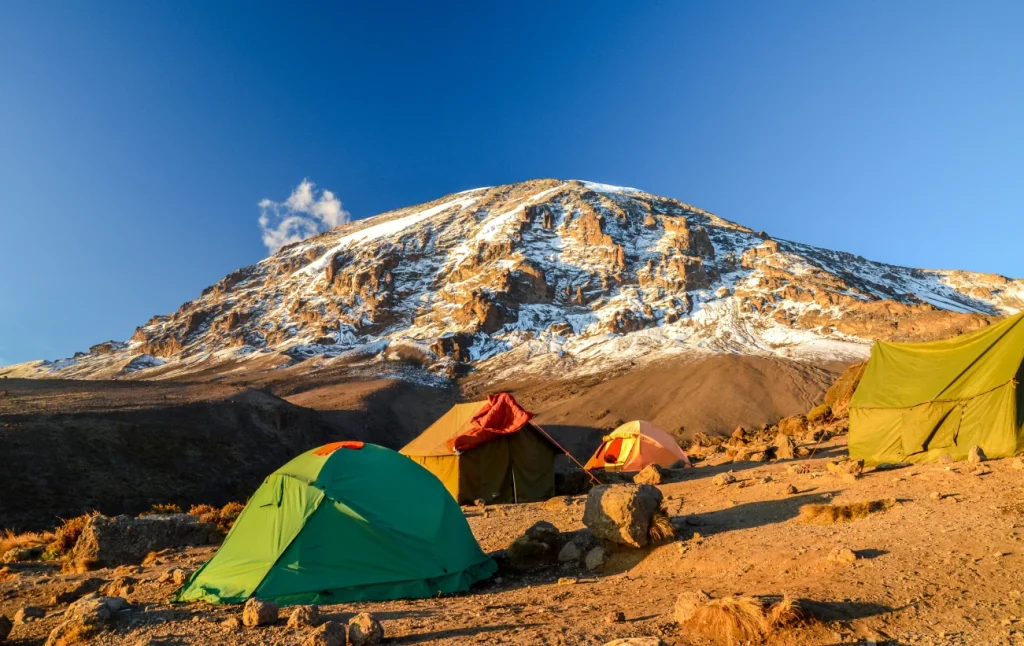
As the trail climbs out of the forest, the landscape opens onto the Shira Plateau. This high-altitude area offers expansive views and a sense of scale that is quite different from the enclosed forest below.
The terrain becomes more open, with volcanic ground, moorland vegetation and views towards Kibo. The plateau is an important part of the western approach before the route continues towards the northern side of the mountain.
Travel Across the Northern Slopes
One of the defining features of the Northern Circuit is the journey around Kibo’s northern slopes. The route passes through more remote terrain and offers changing views across the mountain and surrounding landscape.
Sections around the Moir area, Buffalo Camp and Third Cave form part of commonly used Northern Circuit itineraries, although the precise camp order and overnight stops can vary.
Prepare for the Summit
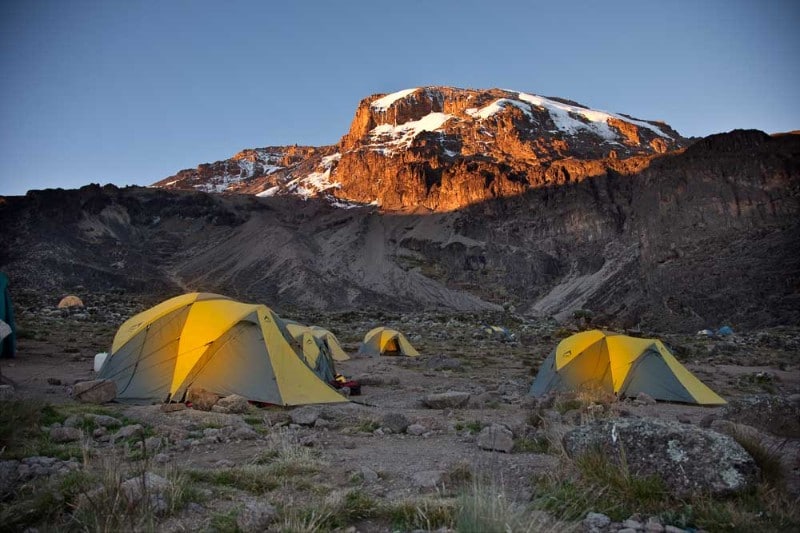
The final stages bring you towards the high camp used for the summit attempt, commonly the School Hut area on standard itineraries approaching from the north or east.
The summit climb usually begins late at night or in the early hours of the morning. Climbers ascend towards the crater rim before continuing towards Uhuru Peak, weather and individual condition permitting.
Descend Through Mweka
After the summit attempt, standard Northern Circuit itineraries descend via the Mweka Route. This takes climbers down through the mountain’s changing elevation zones towards Mweka Gate.
The descent is a demanding final stage, particularly after the summit climb. Allow yourself time to recover, and confirm whether your package includes a hotel night after leaving the mountain.
THE ROUTE
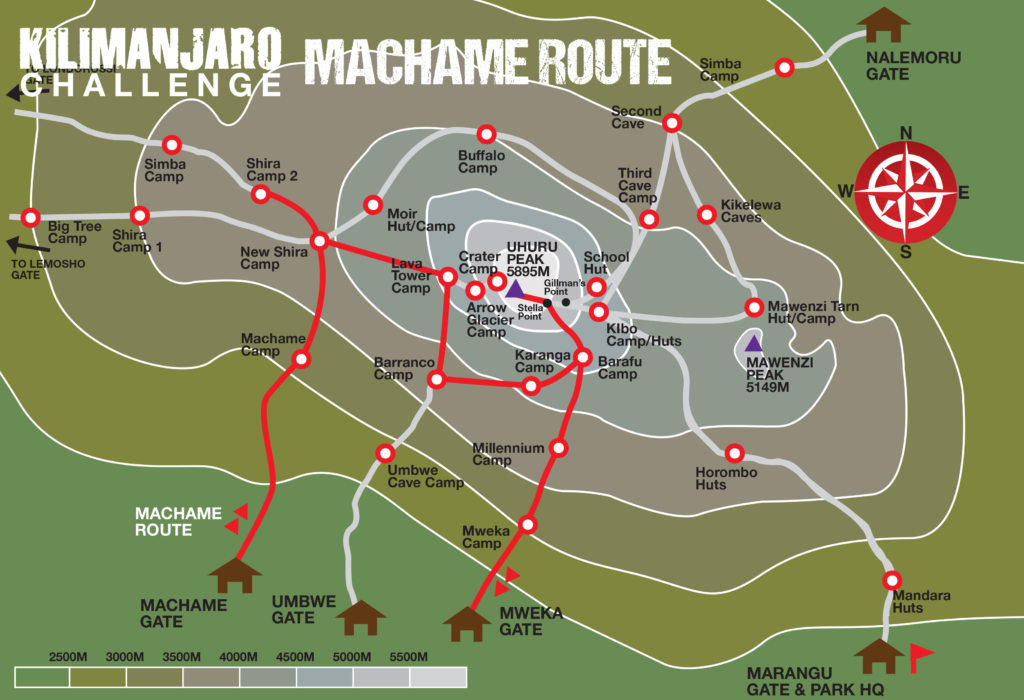
Northern Circuit Route map
The Northern Circuit begins on Kilimanjaro’s western side, crosses the Shira Plateau and continues around the northern slopes before joining the summit approach. Standard itineraries then descend via Mweka.
Route sequence for the map:
Londorossi Gate / Lemosho trailhead → Mti Mkubwa Camp → Shira Plateau / Shira camps → Moir Hut area → Buffalo Camp or equivalent northern camp → Third Cave area → School Hut area → Uhuru Peak → descent towards the Mweka Route → Mweka Gate.
The precise camp sequence depends on the selected itinerary. Use the actual package itinerary as the source of truth.
BEFORE YOU GO
Difficulty, Altitude and Preparation
The Northern Circuit is a non-technical trekking route on standard itineraries, but that does not make it easy. It involves several days of walking at increasing elevations, overnight stays at altitude, changing weather and a demanding summit attempt.
Altitude
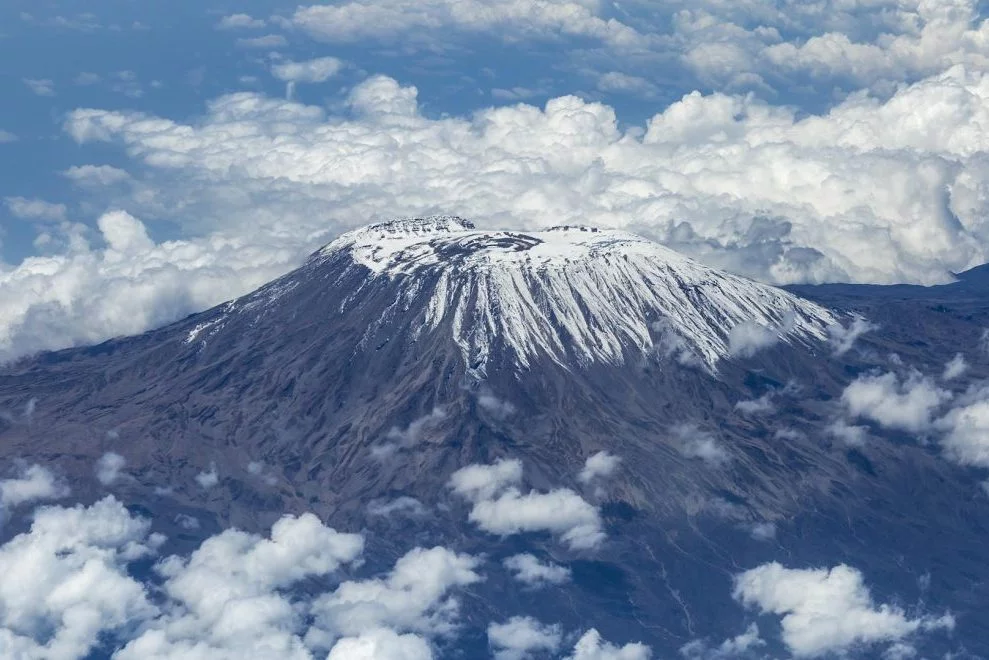
Uhuru Peak stands at 5,895 metres above sea level. At this elevation, the reduced availability of oxygen can affect anyone, regardless of fitness or trekking experience.
The Northern Circuit’s longer itinerary can provide more time for acclimatisation than some shorter climbs, depending on the route schedule and sleeping elevations. The route still reaches high altitude, and altitude illness remains possible.
Before your climb, discuss altitude risks and preventive measures with a qualified healthcare professional. Tell your guide promptly if you develop symptoms such as a persistent headache, nausea, dizziness or unusual fatigue. Worsening symptoms require immediate attention and may mean that you need to descend.
Physical preparation
Prepare for consecutive days of walking rather than focusing only on short, intense workouts. Regular hikes, uphill walking, downhill practice and cardiovascular training can help you build the endurance needed for the route.
Where possible, practise on uneven ground while wearing the footwear and daypack you intend to use on the mountain. Gradually increase your walking time and distance, and allow recovery between demanding training sessions.
The Northern Circuit’s longer duration also means that managing energy, sleep, hydration and recovery throughout the trek is important.
Fitness can help you manage the physical workload, but it cannot guarantee that you will adjust well to altitude.
Summit night
The summit attempt commonly begins around midnight or in the early hours of the morning. Expect cold conditions, darkness, a prolonged uphill climb and a long descent afterwards.
Depending on the itinerary, the ascent proceeds from the high camp towards the crater rim and then onward to Uhuru Peak. The pace is generally controlled, with guides monitoring how climbers are coping.
Guide support and safety
Kilimanjaro climbs must be arranged through a licensed operator with an appropriate guiding team. Before booking, ask how the operator monitors climbers, recognizes possible altitude illness and manages emergency descents or evacuation.
What Is Included in a Northern Circuit ?
Package inclusions vary by operator, group arrangement and accommodation choice. Confirm the exact list before publishing a price or accepting a booking.
Your Northern Circuit Route details should clearly explain:
- Mountain guides and supporting crew
- Applicable park and camping fees
- Meals and drinking water on the mountain
- Tents and other included camping equipment
- Transfers to and from the trail, where included
- Accommodation before or after the climb, where included
- Personal equipment, tips, travel insurance and other exclusions
- Emergency procedures and rescue arrangements specified by the operator.
Plan your Northern Circuit Routes climb
Tell us when you would like to climb, how many people are travelling and which itinerary you are considering. We can then discuss availability, package details and the arrangements for your trip.
Northern Circuit Route FAQs
Get To Understand What Most Travelers Ask About This Route