MOUNT KILIMANJARO · MACHAME ROUTE
MACHAME ROUTE
The Machame Route approaches Mount Kilimanjaro from the south and takes you through some of the mountain’s most varied landscapes on the journey towards Uhuru Peak. Known for its scenic trail, tented camps and demanding summit night, Machame is a popular choice for trekkers seeking an immersive mountain experience.
- Duration: 6-7 days
- Accommodation: Tented mountain camps
- Difficulty: Moderate
ROUTE GLANCE
Machame Route at a Glance
The Machame Route combines a scenic approach with a challenging high-altitude trek. Here’s what to know before choosing it.
KEY HIGHLIGHTS
- Starting point: Machame Gate
- Trekking duration: Commonly 6 or 7 days
- Accommodation: Tents at designated mountain camps
- Difficulty: Challenging, with steep sections, long trekking days and a demanding summit
- Acclimatization: The itinerary includes changes in altitude, but the time available to adjust differs between the 6-day and 7-day options
DECISION TIME
Is the Machame Route Right for You?
The Machame Route may suit you if you want a scenic climb, enjoy being outdoors and are prepared for several days of trekking at increasing altitude. Its changing landscapes and southern approach make the journey about more than reaching the summit.
Why choose the Machame Route?
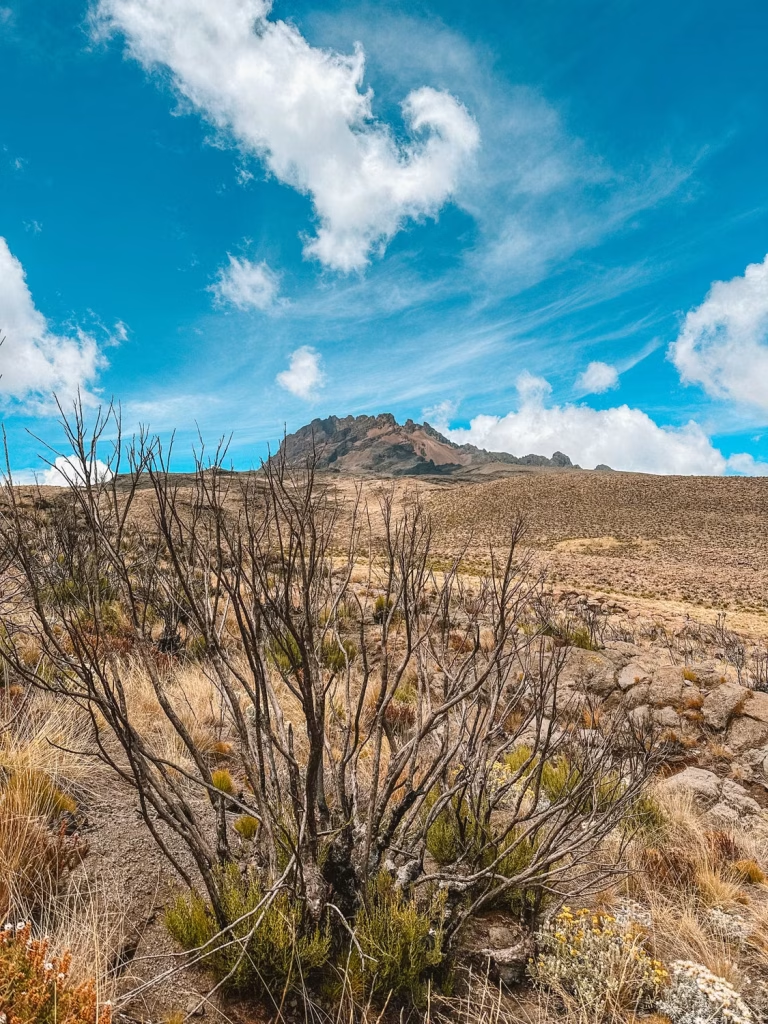
- Varied scenery: Walk through montane rainforest, heath and moorland, rocky high-altitude terrain and alpine desert.
- Memorable trail features: Experience the Shira Plateau, the Lava Tower area and the famous Barranco Wall.
- A camping expedition: Spend nights at mountain camps rather than relying on mountain huts.
- A route with itinerary options: Depending on availability, you may be able to choose between a shorter six-day schedule and a seven-day schedule.
What should you consider before choosing it?
- The trail is physically demanding. Expect sustained uphill walking, uneven ground and long days at altitude.
- Summit night is especially challenging. The climb towards Uhuru Peak typically begins around midnight or in the early hours.
- Camping is part of the experience. Be prepared for cold nights, changing weather and basic mountain conditions.
- More days can allow more time for acclimatization. A seven-day itinerary is generally preferable to compressing the climb into fewer days, but no itinerary can eliminate altitude illness or guarantee a summit.
A Journey Through Kilimanjaro's Changing Landscapes
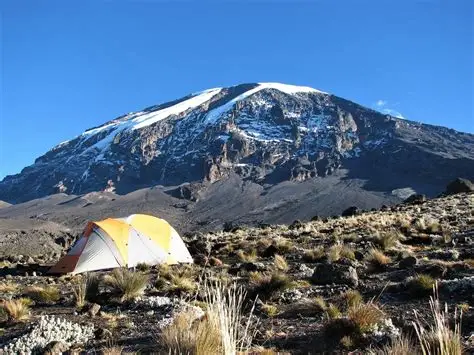
One of the defining features of the Machame Route is how the environment changes as you climb. The journey begins in a relatively lush mountain forest and gradually moves into more exposed, rocky terrain where the altitude becomes a major part of the experience.
Through the montane rainforest
The lower trail passes through dense forest, where tall trees, mosses and damp vegetation create a very different atmosphere from the exposed mountain above. Rain, mud and slippery ground can affect conditions, especially during wetter periods.
Across the Shira Plateau
As the trail climbs above the forest, the vegetation becomes more open and the views broaden. The Shira area offers a sense of the mountain’s scale, with expansive terrain and views towards Kilimanjaro’s higher slopes.
Around Lava Tower and Barranco
The trail crosses high-altitude terrain around Lava Tower before descending towards Barranco Camp. This section is notable not only for its scenery but also for its role in the route’s altitude profile.
Over the Barranco Wall
The ascent of the Barranco Wall is one of Machame’s best-known sections. It involves steep walking and scrambling over rock, rather than technical rock climbing on the standard route. Guides help the group negotiate the terrain at an appropriate pace.
Towards the summit
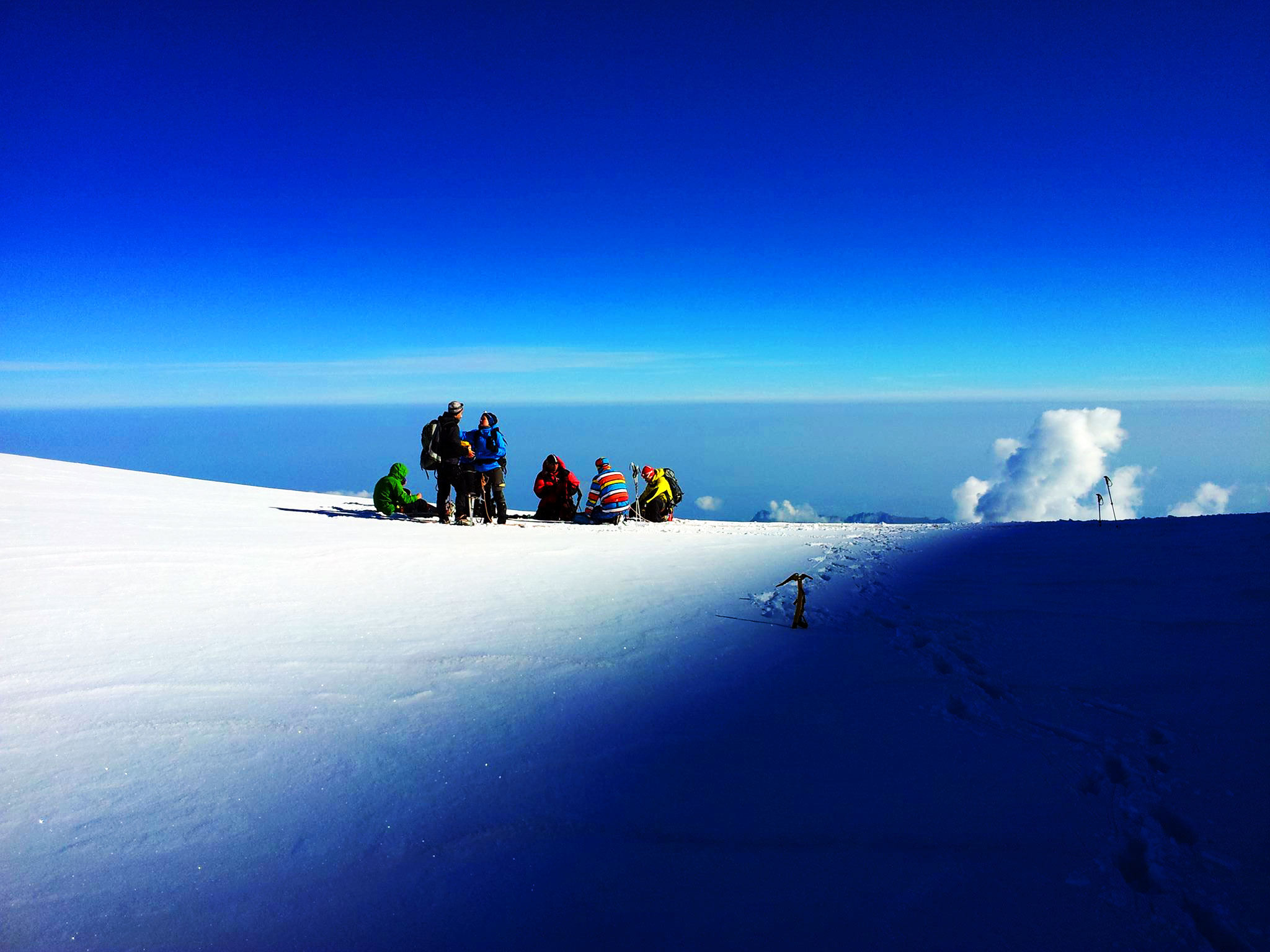
Above the higher camps, the landscape becomes increasingly stark and exposed. The summit attempt usually takes place in darkness, with cold, wind and altitude adding to the challenge. Reaching Uhuru Peak at 5,895 metres depends on conditions and how each climber responds to the altitude.
THE ROUTE
Machame Route map
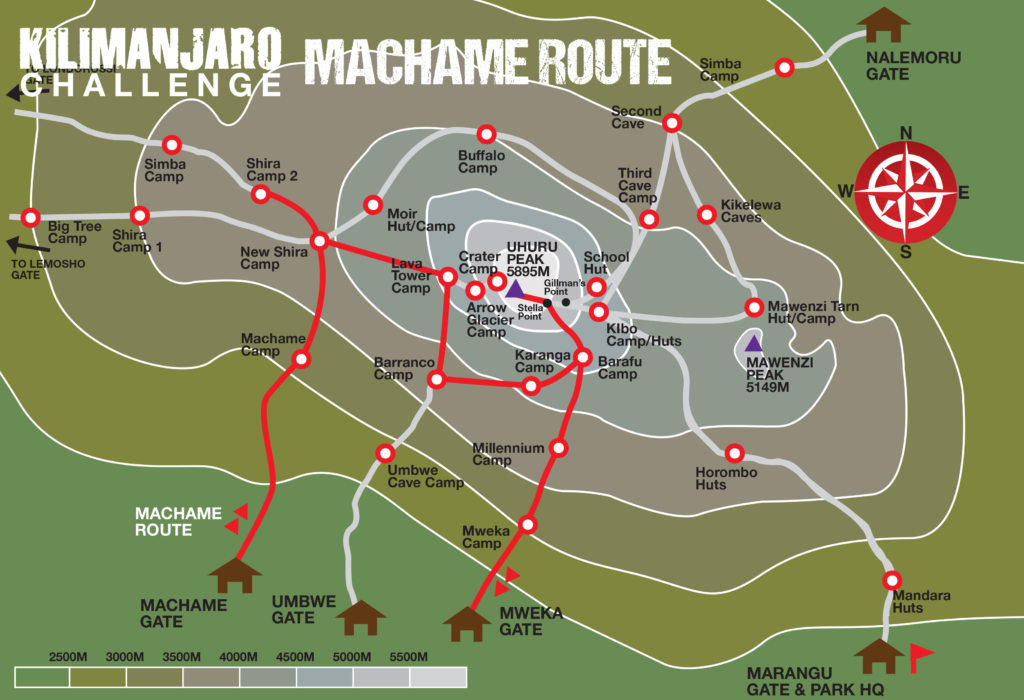
The Machame Route begins at Machame Gate on Kilimanjaro’s southern side. From there, the trail climbs through the forest towards Machame Camp before continuing to the Shira Plateau.
The route then crosses higher terrain towards Lava Tower and descends to Barranco Camp. From Barranco, climbers continue over the Barranco Wall towards Karanga Camp and then Barafu Camp, where the summit attempt begins.
The summit route passes Stella Point on the crater rim before continuing to Uhuru Peak, the highest point on Mount Kilimanjaro. The descent follows the Mweka Route, with an overnight stop commonly made at Mweka Camp before continuing to Mweka Gate.
Use the map to understand the overall direction of the climb, the locations of the main camps and the different ascent and descent routes.
BEFORE YOU GO
Difficulty, Altitude and Preparation
Climbing Kilimanjaro is a demanding physical undertaking. The Machame Route does not require technical mountaineering skills on its standard trail, but it does require sustained walking, preparation and the ability to cope with high altitude.
Altitude
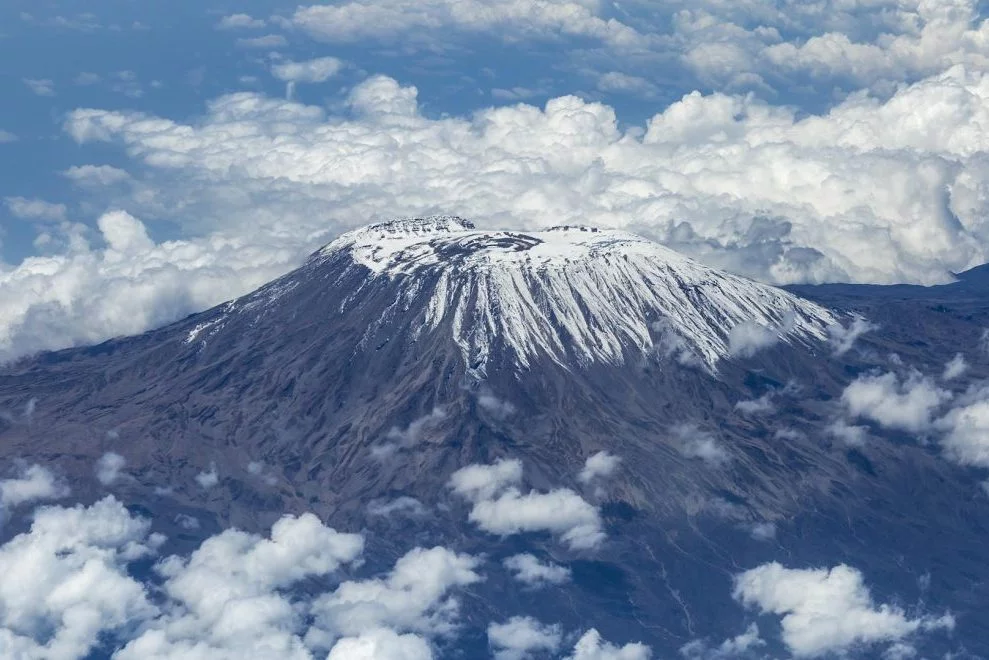
Uhuru Peak stands at 5,895 metres above sea level. At these elevations, the reduced availability of oxygen can affect anyone, regardless of fitness. A carefully paced itinerary and time to acclimatize are important, but altitude illness remains possible.
Physical preparation
Prepare with regular walking and progressively longer hikes, including uphill and downhill terrain. Cardiovascular exercise, leg strength and practice walking for several consecutive days can help you prepare for the physical demands.
Summit night
The summit attempt commonly starts around midnight or in the early hours. Expect cold conditions, a prolonged ascent and a lengthy descent. Rest, suitable clothing, hydration and following your guides’ instructions are important.
Guide support and safety
Climb with a properly organized guiding team that monitors climbers and knows how to recognize altitude illness. If symptoms develop or worsen, tell your guide immediately. A safe descent may be necessary even if it means stopping short of the summit.
What's Included in Your Machame Climb?
A well-organized Kilimanjaro climb requires more than choosing a route. Before booking, make sure you understand what your package covers, what you’ll need to arrange separately and how your climb will be organized.
Your Machame package details should clearly explain:
- Mountain guides and supporting crew
- Applicable park and camping fees
- Meals and drinking water on the mountain
- Tents and other included camping equipment
- Transfers to and from the trail, where included
- Accommodation before or after the climb, where included
- Personal equipment, tips, travel insurance and other exclusions
Plan your Machame climb
Tell us when you would like to climb, how many people are travelling and which itinerary you are considering. We can then discuss availability, package details and the arrangements for your trip.
Machame Route FAQs
Get To Understand What Most Travelers Ask About This Route