YOUR KILIMANJARO TRAVEL GUIDE
When to Go & Getting to Kilimanjaro
How to Get to Kilimanjaro and Choosing your climbing dates is about more than finding a free week on your calendar. Seasonal rainfall, trail conditions, mountain visibility and the number of climbers can all influence your experience.
Plan Your Journey to Kilimanjaro Step by Step
Your climbing experience begins before you reach the mountain. Planning your travel dates, flights, accommodation and essential documents helps avoid unnecessary last-minute problems.
Step 1 — Choose when to climb
Compare the dry and rainy periods, expected trail conditions, visibility and seasonal demand.
Step 2 — Choose your arrival airport
Understand the difference between Kilimanjaro International Airport, Arusha Airport and other possible arrival points.
Step 3 — Choose where to stay
Consider Moshi or Arusha based on your itinerary, airport transfers and any additional travel plans.
Step 4 — Organize transfers and hotel nights
Confirm who will collect you, where you will stay and when your pre-climb briefing takes place.
Step 5 — Prepare your travel documents
Check passport validity, visa requirements and any additional entry documentation relevant to your nationality and travel history.
Step 6 — Arrange health preparation and insurance
Speak with a travel-health professional and check that your insurance covers trekking at Kilimanjaro’s altitude, medical treatment and evacuation.
Step 7 — Confirm your departure arrangements
Allow enough time after the climb for your return transfer, recovery and international flight.
UNDERSTAND THE SEASONS
Choose Your Climbing Dates With the Mountain's Weather in Mind
Mount Kilimanjaro can be climbed throughout the year, but conditions change with the seasons. Rainfall, cloud cover, trail conditions and temperature can affect what you experience during the trek.
01 / JUNE-SEP
June to September: The main dry period
This period is one of the most popular times to climb Kilimanjaro.
Rainfall is generally lower, and trails are often drier than during the rainy seasons. Climbers may also have better opportunities for clear mountain views, although cloud and poor visibility can still occur.
July and August are particularly popular travel months, so departures and accommodation around busy periods may fill earlier.
02 /JAN-FEB
January and February: A relatively dry climbing window
January and February are another popular period for Kilimanjaro climbs.
These months fall within a comparatively dry period in northeastern Tanzania. Conditions can provide good opportunities for climbing and visibility, although rainfall and cloud remain possible.
Travellers planning around the end-of-year and early-year holidays should check availability early rather than assume that every departure will have space.
03 / MAR-MAY
March to May: The long rainy season
March to May is generally the main rainy period in northeastern Tanzania.
Rainfall can make lower forest trails wet and muddy, while cloud cover can reduce visibility. Some days may involve more challenging walking conditions, and weather can affect the overall mountain experience.
This is generally a less popular period for climbers seeking drier trails and more predictable conditions.
01 /OCT-DEC
October to December: The short-rain period
The short rains generally occur from October into December, although their timing and intensity can vary.
Rainfall may be intermittent rather than continuous, but the mountain can still experience cloudy conditions and wet trails. The actual experience depends on the timing of your climb and weather in the relevant areas.
Late December can also attract holiday travellers, so weather and availability should be considered separately.
What Makes One Climbing Period Different From Another?
Two travellers climbing Kilimanjaro in different months can have quite different experiences. Your decision should consider weather, trail conditions, visibility and the number of other climbers.
Weather and trail conditions
Rain affects more than whether you need a jacket. It can make forest trails muddy, increase the chance of slippery sections and make the day’s walking less comfortable.
Drier months generally offer more favorable conditions underfoot, but rain is possible at any time. Temperature also changes with altitude, so warm conditions in Moshi do not tell you what to expect near the summit.
Pack appropriate waterproof protection and warm layers regardless of your travel month.
Mountain visibility
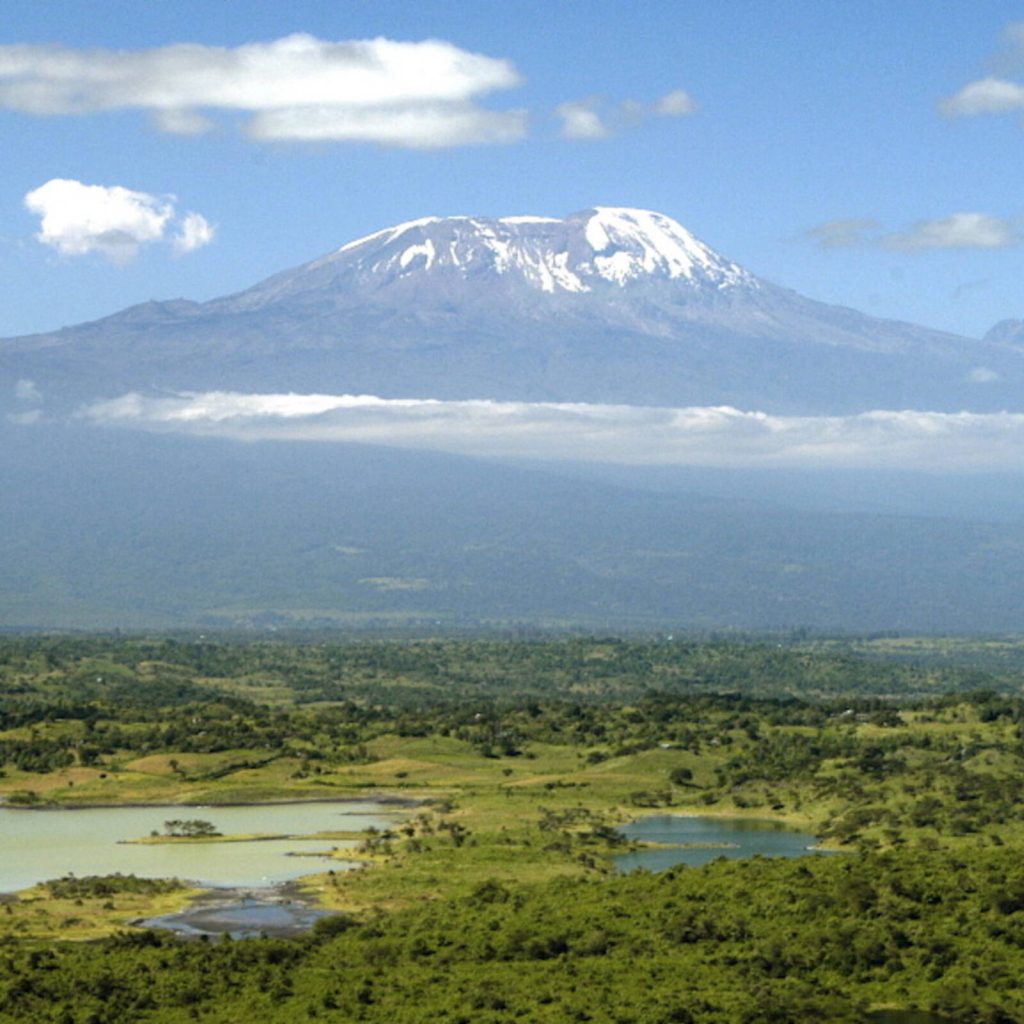
Clear views of Kilimanjaro are one of the attractions of the climb, but visibility is not guaranteed.
The drier periods often provide better opportunities for clear views, while rain and cloud can obscure parts of the mountain during wetter periods.
Cloud may also form and move across different elevations during the day. A clear view from your hotel does not guarantee clear conditions on the mountain, and poor visibility at the base does not necessarily mean the summit will remain covered.
Plan around general seasonal patterns, but treat daily weather as unpredictable.
Crowds and availability
The number of climbers changes throughout the year.
Popular dry-season months and holiday periods can create more demand for routes, accommodation and group departures. Some routes may feel busier around shared camps and common trail sections than others.
If quieter conditions matter to you, discuss the exact departure date and route with the operator. A less busy period may involve more uncertain weather, so consider the trade-off before deciding.
PLAN YOUR ARRIVAL IN TANZANIA
Where Should You Fly Into for a Kilimanjaro Climb?
The most convenient international arrival airport for many Kilimanjaro climbers is Kilimanjaro International Airport (JRO), which serves the northern Tanzania tourism circuit.
Other possibilities include Arusha Airport (ARK) for certain domestic or charter flights, and Julius Nyerere International Airport (DAR) in Dar es Salaam if your flight itinerary requires an onward connection or overland journey.
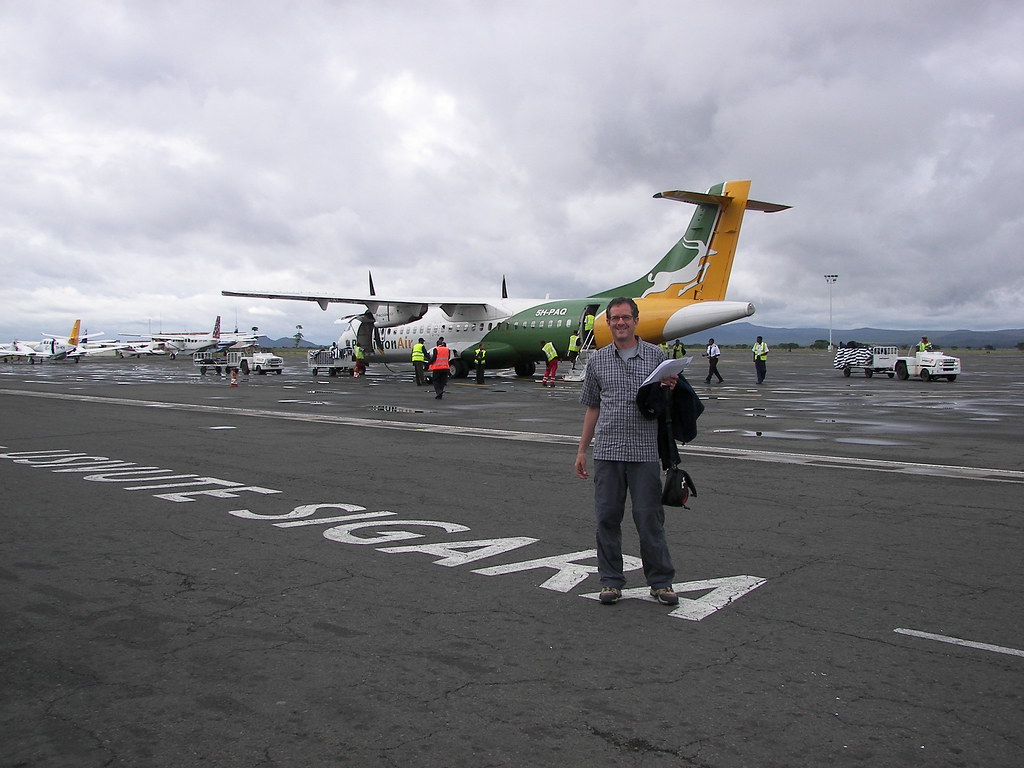
Kilimanjaro International Airport — JRO
Kilimanjaro International Airport is the principal gateway for many international visitors climbing Kilimanjaro.
It is situated between the regions of Arusha and Kilimanjaro. The airport operator lists it at approximately 30 kilometres from Moshi and 40 kilometres from Arusha.
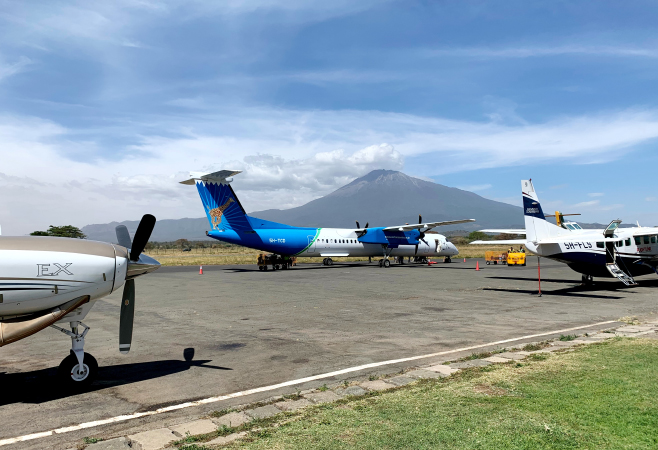
Arusha Airport — ARK
Arusha Airport is a separate airport from Kilimanjaro International Airport.
It is relevant for travellers arriving on certain domestic or charter flights, including itineraries that connect to other destinations in Tanzania.
Before booking, check the airport code on your ticket. Do not assume that a flight described as arriving in Arusha lands at JRO.
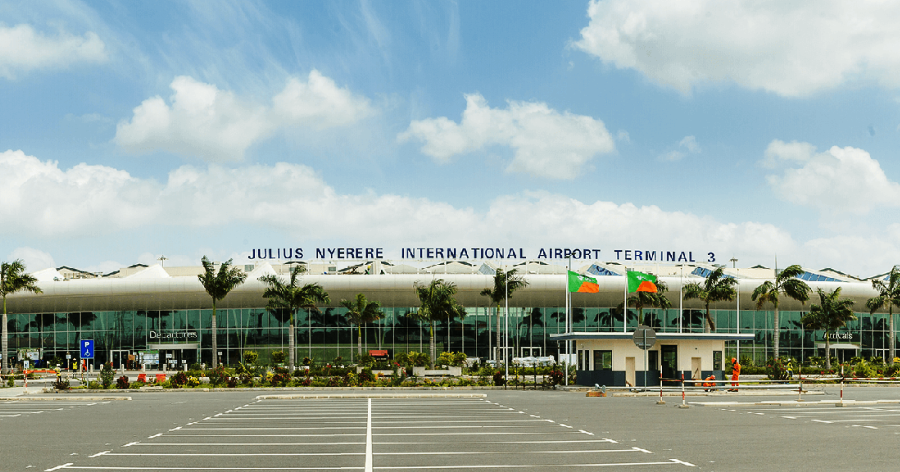
Julius Nyerere International Airport — DAR
Julius Nyerere International Airport serves Dar es Salaam, on Tanzania’s coast.
Some visitors may arrive there because of their international flight options, but it is not the closest airport for a Kilimanjaro climb.
If your international ticket arrives at DAR, check the onward arrangements carefully. You may need a domestic flight to JRO or ARK, or an overland journey arranged separately.
Moshi vs Arusha: Which Is Better for Your Kilimanjaro Climb?
Moshi and Arusha are two common base towns for travellers preparing to climb Kilimanjaro. Both have accommodation options and access to the mountain, but their location and wider travel arrangements differ.
CHOOSE YOUR BASE TOWN
Moshi: A convenient base for the mountain
Moshi is located closer to Kilimanjaro and is approximately 30 kilometres from Kilimanjaro International Airport according to the airport operator.
It is a practical base for many climbers, particularly when their itinerary starts from the southern or western mountain areas.
Moshi may suit you if:
- Your priority is the Kilimanjaro climb.
- You want a base closer to the mountain.
- Your operator arranges the briefing and transfers from Moshi.
- You prefer to keep pre-climb travel arrangements straightforward.
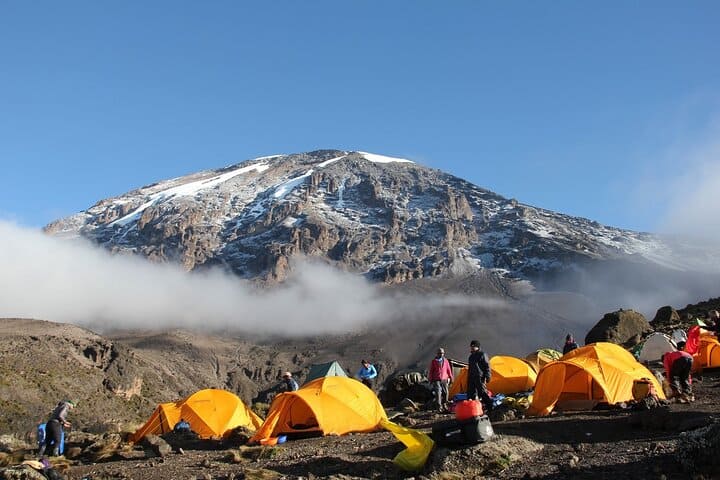
Arusha: A useful base for a wider northern Tanzania trip
Arusha is another common starting point for travellers exploring northern Tanzania.
It can be convenient if you intend to combine Kilimanjaro with a safari or other activities in the region. However, the road transfer to your mountain trailhead will depend on the specific route and gate.
Arusha may suit you if:
- You are combining Kilimanjaro with a northern Tanzania safari.
- Your flights or hotel arrangements are based in Arusha.
- Your operator offers a convenient pick-up and transfer arrangement from the city.
- Your wider travel itinerary makes Arusha a practical starting point.
Which should you choose?
Neither town is automatically the right choice for every climber.
Consider the airport you arrive at, your climbing route, hotel location and the transfer plan provided by your operator.
Before booking accommodation independently, ask where your pre-climb briefing takes place and whether the operator can collect you from your chosen hotel.
Our recommendation: If your main purpose is climbing Kilimanjaro, compare the Moshi arrangements first. If you are combining the climb with other northern Tanzania experiences, ask whether staying in Arusha makes more sense for your complete itinerary.
What Happens After You Land in Tanzania?
Arriving in Tanzania is only the first part of your journey. You still need to reach your hotel, complete your pre-climb arrangements and travel to the mountain’s starting gate.
Confirm these details with the operator before departure.
Airport transfers
Ask whether your climbing package includes airport collection and the return transfer after the trek.
Provide your:
- Arrival airport and flight number.
- Arrival date and local arrival time.
- Number of travellers.
- Hotel name and location.
- Luggage requirements.
Hotel nights before the climb
Allow time to reach your hotel, rest after international travel and prepare for the briefing.
Your package may include accommodation before the climb, after the climb or both, but this varies by operator. Ask
- How many hotel nights are included?
- Which town and hotel are included?
- Is breakfast or another meal included?
- Can you add extra nights?
Pre-climb briefing and equipment checks
The operator should explain when and where the pre-climb briefing takes place.
The briefing is an opportunity to review the itinerary, route expectations, equipment requirements and arrangements for the mountain.
A practical equipment check should help identify missing or unsuitable items before departure.
Ask when you will meet your guide and whether your main luggage and daypack need to be ready for inspection.
Transfer to the mountain gate
Your trailhead depends on your chosen route.
The operator should confirm:
- Which gate or trailhead you will use.
- When you will leave the hotel.
- How long the road transfer is expected to take.
- What time you should be ready.
- Which luggage goes in the main vehicle and which stays with you.
After the descent
Once you complete the trek, you will leave the mountain through the relevant descent gate and return to your arranged hotel or onward destination.
Ask whether your package includes the return transfer and a post-climb hotel night.
Avoid scheduling an international flight immediately after your planned mountain descent. Allow time for the road journey, possible delays and recovery.
TRAVEL DOCUMENTS
Check Your Entry Requirements Before You Fly
Your passport and visa arrangements should be checked well before your departure date.
Tanzania’s entry requirements depend on your nationality, travel purpose and circumstances. Do not assume that every visitor has the same visa requirements.
01 / PASSPORT
Passport validity
Tanzania’s official eVisa guidance states that applicants should have a passport with at least six months of validity and at least one unused visa page when submitting an application.
Check your passport well in advance. If it does not meet the requirements, arrange renewal before submitting your visa application.
02 /VISA
Tanzania visa requirements
- Whether your passport requires a visa.
- Which visa category applies to your visit.
- Whether you should apply online before travelling.
- Which supporting documents are required.
- What the current fees and conditions are.
03 / ENTRY
Check entry requirements close to departure
Visa policies and entry requirements can change. Recheck the official immigration information before travelling and ensure that the visa details match your passport and travel purpose.
Your climbing operator can help explain the travel arrangements, but immigration authorities make the final decisions on entry.
KILIMANJARO CLIMBING FAQs
Find answers to common questions about choosing your climb, preparing for the mountain, and planning your trip.
What is the best time to climb Kilimanjaro?
The commonly preferred climbing periods are June to September and January to February, when conditions are generally drier. However, weather is unpredictable, and the best time depends on your priorities, route and availability.
Can you climb Kilimanjaro all year?
Kilimanjaro can be climbed throughout the year, but rainfall and trail conditions vary by season. Discuss the route, equipment and current conditions with your operator before choosing a rainy-season departure.
Which months are the rainiest on Kilimanjaro?
The long rains generally occur from March to May, while the short rains usually fall between October and December. Timing and rainfall intensity can vary between years.
Which months are busiest on Kilimanjaro?
Demand often increases during popular dry-season and holiday periods, particularly July and August. Actual crowd levels depend on the route, group departures and camp locations.
Which airport is best for climbing Kilimanjaro?
Kilimanjaro International Airport (JRO) is the most convenient international arrival airport for many climbers. Arusha Airport (ARK) can be useful for certain domestic or charter flights.
Is Kilimanjaro International Airport close to Moshi and Arusha?
Yes. The airport operator lists JRO at approximately 30 kilometres from Moshi and 40 kilometres from Arusha. Actual road transfer times depend on your destination, route and traffic.
READY TO PLAN YOUR KILIMANJARO CLIMB?
Tell us your preferred dates, group size, and the routes you’re considering. We’ll help you explore your options and request a personalised quote for your climb.