KILIMANJARO PREPARATION GUIDE
Training & Packing for Kilimanjaro
Preparing for Kilimanjaro is about more than getting fit or buying expensive hiking equipment. You need the endurance to walk for several days, clothing for changing mountain conditions and a packing plan that keeps the essentials within reach.
Preparation Overview
A successful preparation plan covers four areas: physical readiness, suitable equipment, practical hiking experience and an understanding of altitude.
Build endurance
Develop the ability to walk for extended periods and recover between trekking days.
Practice on hills
Prepare your legs for uphill climbing, uneven terrain and long descents.
Pack for changing conditions
Choose layers that can handle warm lower elevations, rain, wind and cold summit conditions.
Understand altitude
Learn why gradual acclimatisation matters and why fitness alone cannot protect you from altitude illness.
Train for the Mountain, Not Just the Summit
Kilimanjaro involves sustained walking over several days, with changes in elevation, terrain and weather. Your preparation should help you manage that workload without relying on one intense workout or a last-minute burst of exercise.
A useful training plan combines cardiovascular endurance, hill walking, strength work, longer hikes and recovery. Adapt the plan to your current fitness and increase the workload gradually. General hiking-training guidance recommends beginning preparation well ahead of a major trek; around eight weeks or more can be a useful starting point, depending on your baseline and the time available.
Build endurance
Endurance helps you maintain a comfortable, sustainable pace over longer periods.
Activities to consider include:
- Brisk walking.
- Hiking on local trails.
- Walking on an inclined treadmill.
- Cycling.
- Swimming or other aerobic activities you can sustain consistently.
Start with a duration you can manage comfortably. Gradually increase the time or distance as your fitness improves, rather than trying to do everything in the first week.
The goal is to become comfortable with prolonged activity and consistent effort.
Train on hills and uneven terrain
Kilimanjaro involves uphill walking and extended descents. Preparing for changes in terrain can help your legs and balance handle the demands of the trail.
Practice on hills, stairways or an inclined treadmill where available. Include controlled downhill walking when practical and safe.
As you progress, try walking on natural terrain with the footwear you intend to use on the mountain. Learn how to manage your pace, footing and balance without rushing.
Build leg and core strength
Strength training can complement your hiking and cardiovascular work.
Exercises you may consider include:
- Step Ups
- Squats.
- Lunges.
- Calf raises.
- Core-stability exercises.
Begin with movements appropriate to your current ability. Prioritise good technique and gradual progression instead of lifting heavy weights to exhaustion.
Practice consecutive hiking days
Kilimanjaro is a multi-day trek. Preparing for one long walk is useful, but your body also needs to become familiar with the rhythm of walking, recovering and walking again.
As your preparation progresses, include occasional hikes on consecutive days when practical. Keep the intensity manageable and allow enough recovery between demanding sessions.
Notice how your feet, legs, back and shoulders respond. Use what you learn to adjust your footwear, socks, pack setup and recovery routine.
You do not need to simulate the entire climb during training. The aim is to build useful endurance without arriving injured or exhausted.
Train with your boots and daypack
Do not wait until the mountain to discover that your boots rub or your backpack is uncomfortable.
Wear your intended hiking footwear during training. Test your socks and make adjustments if you develop hot spots or blisters.
Practise with your daypack, gradually adding the items and load you expect to carry. Adjust the shoulder straps and hip belt if your pack has one, and learn to distribute the weight comfortably.
Also test how your waterproof clothing, gloves and extra layers work together.
AN IMPORTANT SAFETY REMINDER
You Can Be Fit and Still Experience Altitude Illness
Physical fitness helps you manage the walking demands of a Kilimanjaro climb, but it does not eliminate your risk of altitude illness. The CDC states that fitness does not determine susceptibility to altitude illness. Your itinerary and ascent profile remain important considerations. As you climb higher, the amount of oxygen available to your body decreases. People respond differently to these conditions, and previous fitness or athletic ability does not guarantee that you will adjust well.
What should you do?
- Choose your itinerary carefully.
- Follow your guide's instructions.
- Report symptoms promptly
- Seek medical advice before departure.
Your training prepares you for the physical work. Your itinerary, guide support and attention to altitude help you manage the mountain’s separate risks.
YOUR MOUNTAIN EQUIPMENT GUIDE
Pack for Comfort, Protection and Changing Conditions
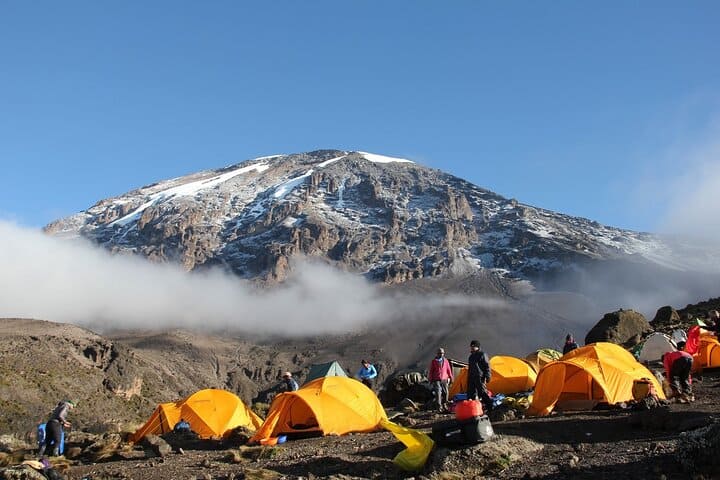
Kilimanjaro’s environment changes as you gain elevation. You may walk through relatively warm forest before reaching exposed terrain where wind, rain and cold become major considerations.
The best packing list is not necessarily the longest. Choose practical items that work together, protect you from the expected conditions and fit the requirements of your chosen route.
Use the categories below to plan your equipment. Then compare the list with your operator’s instructions before making purchases.
Clothing layers
Layering allows you to adjust your clothing as your activity level and the weather change.
Base layers
Bring moisture-wicking tops and bottoms that help manage sweat. Avoid relying entirely on cotton for the coldest parts of the climb because it may remain damp.
Mid-layers
Bring a warm fleece or another insulating layer for cooler walking conditions and evenings at camp.
Insulated outer layer
A suitable insulated jacket is important for colder mountain conditions, especially during the summit attempt.
Waterproof outer layers
Pack a waterproof, wind-resistant jacket and suitable rain trousers. Weather can change, so keep these accessible rather than buried at the bottom of your luggage.
Trekking clothes
Bring hiking trousers, suitable shirts, underwear and enough hiking socks for your itinerary. Include dry camp clothing and warm layers for evenings.
Head and hand protection
Pack a sun hat or cap, a warm hat or beanie, gloves and a neck gaiter or buff. Your operator’s current gear list can help you choose the level of protection needed for the season and itinerary.
Sleeping equipment
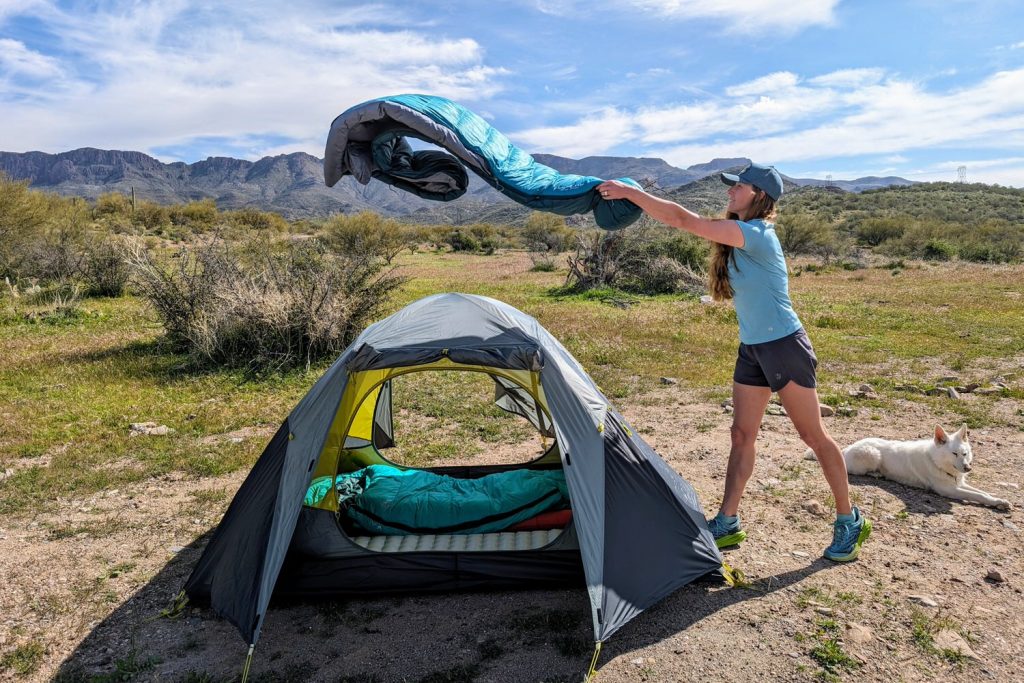
The sleeping equipment required depends on the route and the operator’s package.
Ask about:
A sleeping bag suitable for the expected cold conditions.
A sleeping mat, if one is not supplied.
An optional compact pillow.
The main duffel or porter bag required for the trek.
Dry bags or waterproof liners for keeping your equipment dry.
Do not assume that a sleeping bag or mat is included. Confirm whether equipment is supplied, available for rent or something you need to bring yourself.
Footwear
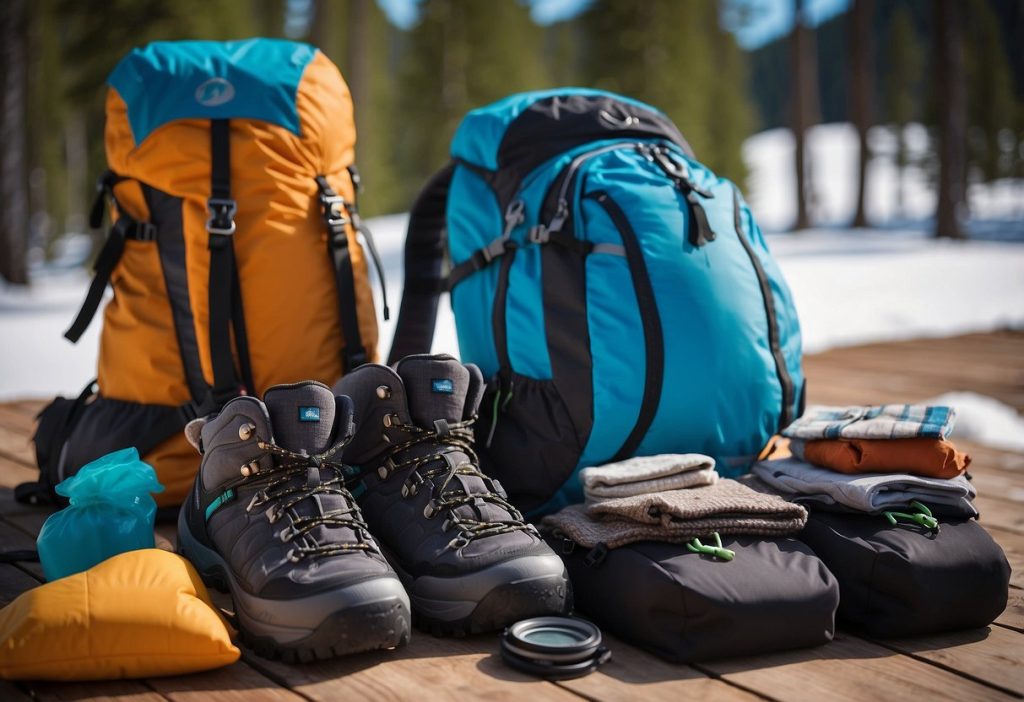
Your footwear should fit well and be comfortable over long walks.
Consider packing:
Hiking boots or suitable trekking shoes that are already broken in.
Hiking socks that work well with your footwear.
Camp shoes or lightweight sandals, if useful.
Blister plasters or tape for foot care.
Trekking poles if you use them or find them helpful.
Gaiters if recommended for your conditions or itinerary.
Do not make the summit attempt in new, untested boots. Check your footwear before departure and address rubbing or fit problems during training.
Toiletries and personal care
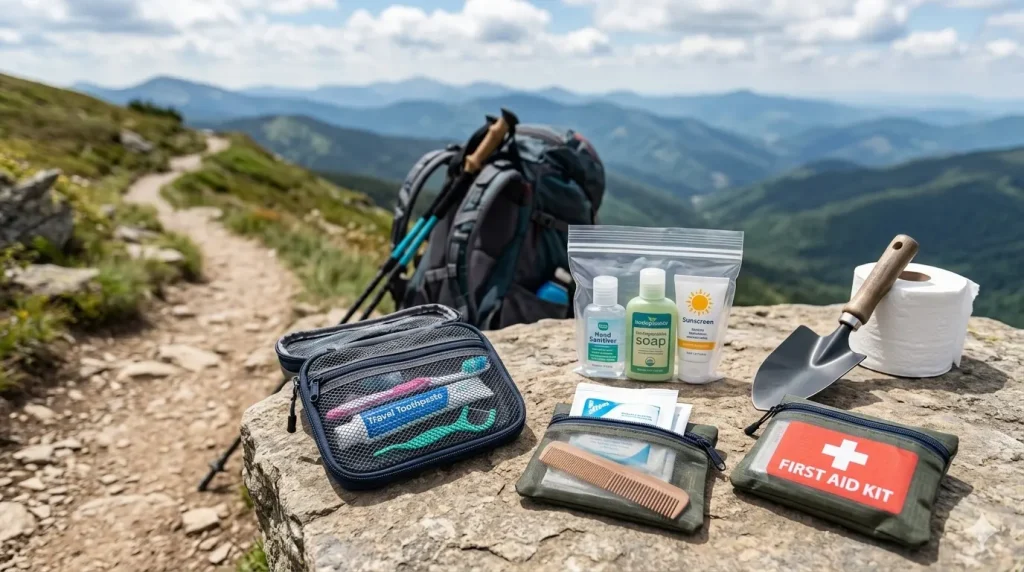
Pack compact essentials that help you maintain hygiene and protect your skin.
Consider:
Toothbrush and toothpaste.
Personal toiletries.
High-protection sunscreen.
SPF lip balm.
Hand sanitiser.
Tissues or toilet paper, as advised by your operator.
A small quick-dry towel if required.
Personal menstrual products, where applicable.
Insect repellent for lower elevations where appropriate.
Personal prescription medicines and any recommended personal first-aid items.
Carry medicines in their original packaging where practical and keep essential medication accessible. Ask a qualified healthcare professional about medical preparations for high-altitude travel.
Electronics and documents
Keep important documents and essentials accessible and protected from rain.
Pack or arrange:
Passport and any required entry documents.
Travel insurance details, including high-altitude trekking and evacuation cover.
Booking confirmation and itinerary.
Emergency contact details.
Phone and charging cable.
A power bank and compatible charging equipment.
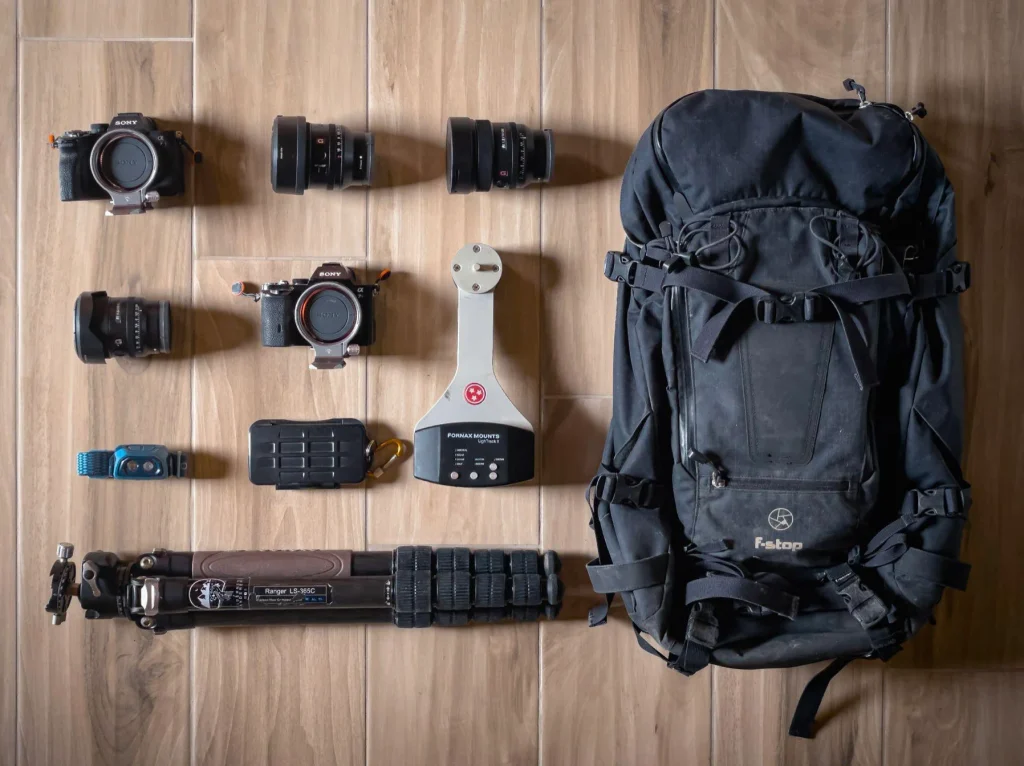
Headlamp and spare batteries.
Camera and spare batteries or memory cards, if needed.
Cash and payment arrangements for personal expenses and tips.
Confirm the operator’s recommendations for charging devices and managing batteries during the trek.
CONFIRM BEFORE BUYING
Check What Is Included Before Purchasing Equipment
You may not need to buy every item on a generic Kilimanjaro packing list. Operators differ in the equipment, shared supplies and rental items included in their packages.
The company’s own list should be the final guide to what you need to bring.
01 / SUPPLIES
Items that may be supplied
Depending on the route and package, the operator may provide:
Mountain tents and shared camping equipment.
Hut accommodation on the Marangu Route.
Sleeping mats.
Dining equipment and other camp supplies.
Meals and drinking-water arrangements.
Porter bags or other approved luggage arrangements.
Transfers to the trailhead.
Equipment available for rent.
02 / RENTALS
Items you may need to bring or rent
Personal equipment commonly requires closer attention, including:
Hiking boots and socks.
Base layers and trekking clothing.
Insulating clothing and waterproof layers.
Daypack.
Headlamp.
Personal toiletries and medication.
Personal sleeping bag, if not supplied.
Trekking poles, if required or preferred.
03 / QUESTIONS
Questions to ask your operator
Before spending money, ask:
What equipment is included in my specific package?
Is a sleeping bag supplied or available for rent, and what rating is recommended?
Are sleeping mats included?
Is a main duffel supplied, or must I bring my own?
What are the luggage size and weight restrictions?
Which items are available to rent, and what do they cost?
What equipment must I bring personally?
Make Sure You're Ready to Leave
In the days before travelling, review your preparation calmly rather than buying last-minute equipment or attempting demanding new workouts.
Training and physical readiness
Review your recent hikes, your footwear comfort and how you respond to sustained walking. Arrive rested and avoid pushing through an injury simply to complete your training plan.
Equipment
Try on your planned clothing layers and test your daypack. Check that your headlamp works, batteries are ready and waterproof layers are accessible.
Travel and booking details
Confirm your travel documents, insurance, booking details, meeting time, transfers and pre-climb arrangements with the operator.
Equipment handover
Ask for the final gear check and make sure you understand the company’s instructions for the main luggage, daypack and any rented equipment.
Altitude awareness
Understand the itinerary and the importance of reporting symptoms promptly. Your guide should be aware if you feel unwell; do not assume that fitness means you can safely continue regardless of symptoms.
The aim is to begin the climb prepared, not exhausted or overloaded.
KILIMANJARO CLIMBING FAQs
Find answers to common questions about choosing your climb, preparing for the mountain, and planning your trip.
How far in advance should I train for Kilimanjaro?
Start as early as your schedule allows. Around eight weeks or more can be a useful starting point for many people, but the appropriate preparation period depends on your current fitness, hiking experience and health. Build gradually rather than trying to make up for lost time with intense workouts
What type of fitness training is best for Kilimanjaro?
A combination of aerobic endurance, hill walking, leg and core strength, longer hikes and recovery is useful for preparing for the physical workload. Adapt the plan to your current ability and include actual walking practice whenever possible.
Do I need to be an experienced hiker?
Previous hiking experience can help you understand your pace, footwear and comfort on uneven terrain. If you have limited experience, start progressively and discuss route suitability with your operator. Do not choose a route based on fitness alone.
Can being fit prevent altitude sickness?
No. Physical fitness does not eliminate the risk of altitude illness. Acclimatisation, the rate of ascent and individual responses to altitude matter. Discuss your itinerary and any medical concerns with a qualified healthcare professional.
What boots should I wear on Kilimanjaro?
Choose hiking footwear that fits well, provides suitable support and works for the terrain and conditions expected on your route. Break it in before travelling, and practise using the socks you plan to wear during the trek.
Do I need to buy a sleeping bag?
That depends on your operator’s package. Some operators provide or rent sleeping equipment, while others may require you to bring your own. Confirm the expected cold-weather rating, rental options and whether a sleeping mat is included.
READY TO PLAN YOUR KILIMANJARO CLIMB?
Tell us your preferred dates, group size, and the routes you’re considering. We’ll help you explore your options and request a personalised quote for your climb.